
What Is Laparoscopic Cholecystectomy?
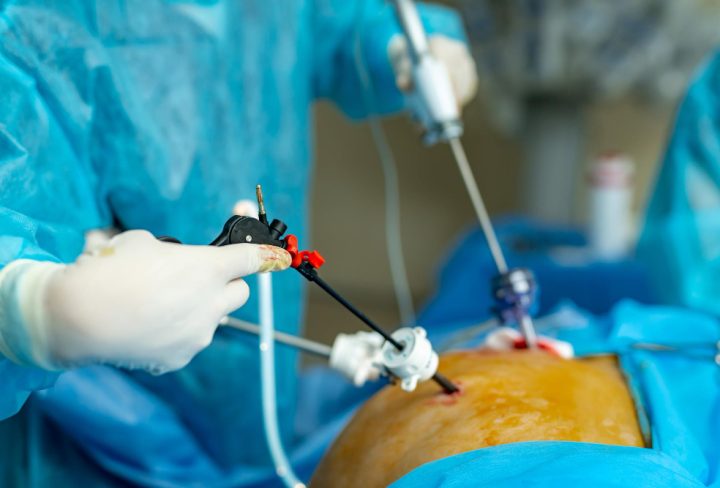
Laparoscopic cholecystectomy is a type of minimally invasive surgery. It removes the gallbladder through small cuts in the belly. Doctors often use this method to treat gallstones or gallbladder disease. Because it uses small tools and a camera, recovery is usually faster than with open surgery. Many people choose this option for gallbladder removal because it is safe and effective.
Why Is Laparoscopic Cholecystectomy Performed?
Doctors may suggest laparoscopic cholecystectomy for several reasons. Most often, it is done to treat:
Sometimes, gallstones block the flow of bile. This can lead to pain, fever, or even jaundice. In these cases, removing the gallbladder can help prevent further problems.
How Is the Procedure Done?
Laparoscopic cholecystectomy is usually done under general anesthesia. This means you will be asleep during the surgery. The steps are:
Because the cuts are small, there is less pain and scarring. Most people go home the same day or after one night in the hospital.
Benefits of Laparoscopic Cholecystectomy
This minimally invasive surgery offers many advantages. For example, you may notice:
Because recovery is quicker, many people prefer this method over open surgery. However, your doctor will help decide if it is right for you.
Risks and Possible Complications
Although laparoscopic cholecystectomy is safe, every surgery has risks. Some possible risks include:
Rarely, the surgeon may need to switch to open surgery if problems arise. Still, most people recover without major issues. According to the CDC, serious complications are uncommon.
Recovery After Laparoscopic Cholecystectomy
After surgery, you will spend a few hours in the recovery room. Most people can go home the same day. However, some may need to stay overnight. During recovery, you may feel some pain or discomfort at the incision sites. This usually improves within a few days.
Here is what you can expect during recovery:
If you notice fever, severe pain, or yellowing of the skin, contact your doctor right away. These could be signs of a problem.
Tips for a Smooth Recovery
To help your body heal, follow these tips:
Additionally, avoid fatty or spicy foods for a few weeks. This can help prevent stomach upset while your body adjusts.
Prevention and Lifestyle Guidance
After gallbladder removal, most people live normal lives. However, making healthy choices can help your digestion. For example, you can:
These steps may help prevent future digestive problems. If you have questions about your diet, ask your doctor or a dietitian.
When to Call Your Doctor
While most people recover well, it is important to watch for signs of trouble. Contact your doctor if you notice:
Early treatment can prevent serious problems. Therefore, do not wait if you feel something is wrong.
Conclusion
Laparoscopic cholecystectomy is a safe and effective way to treat gallbladder problems. Because it is minimally invasive, recovery is usually quick. However, every surgery has risks. Always talk to your doctor about your options and what to expect. For personalized advice on laparoscopic cholecystectomy, consult a qualified surgeon.