
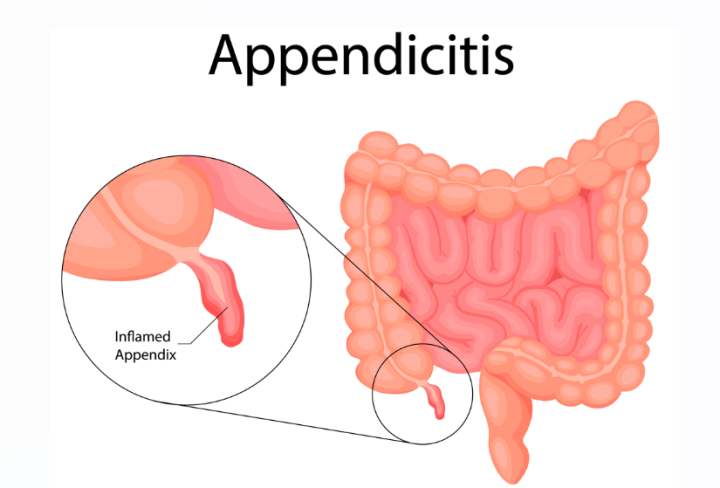
Appendicitis is a sudden swelling of the appendix, a small organ in your lower right belly. Knowing appendicitis symptoms early can help prevent serious problems. If you spot these signs soon, you can get the right treatment quickly. Early action is important because untreated appendicitis can lead to dangerous infections. In this blog, you will learn about the key symptoms, when to seek help, and how doctors treat this condition.
What Is Appendicitis?
Appendicitis happens when the appendix becomes swollen or infected. The appendix is a tiny pouch attached to your large intestine. While its exact purpose is unclear, it can cause trouble if it gets blocked. According to the CDC, appendicitis is one of the most common reasons for emergency belly surgery. It can affect people of any age, but it is most common in teens and young adults. If not treated, the appendix can burst and cause serious health risks.
Common Symptoms of Appendicitis
Recognizing the early signs of appendicitis can save lives. Although symptoms can vary, most people notice some or all of these:
However, not everyone has all these symptoms. Children and pregnant women may have different signs. For example, pain may be higher in the belly during pregnancy.
Symptoms You Should Never Ignore
Some urgent appendicitis symptoms mean you need help right away. Ignoring these can be dangerous. Watch for:
Because these symptoms can get worse fast, do not wait. Early treatment can prevent life-threatening problems.
When to See a Doctor
If you notice any early signs of appendicitis, contact your doctor right away. But if you have severe pain, high fever, or vomiting, go to the emergency room. Even if you are unsure, it is better to be safe. Quick action can make a big difference. In some cases, waiting too long can lead to a burst appendix, which is a medical emergency. If you live in a city or rural area, seek help as soon as possible. Remember, urgent appendicitis symptoms should never be ignored.
Diagnosis and Treatment Overview
Doctors use several steps to diagnose appendicitis. First, they ask about your symptoms and check your belly. Next, they may order blood tests or scans, such as an ultrasound or CT scan. These tests help confirm if the appendix is swollen. If appendicitis is found, surgery is often needed to remove the appendix. This is called an appendectomy. Sometimes, doctors use antibiotics before or after surgery to treat infection. Most people recover well after treatment, especially if they get help early.
Prevention and Lifestyle Tips
While you cannot always prevent appendicitis, you can support your belly health. Here are some tips:
Although these steps cannot guarantee prevention, they help keep your digestive system healthy.
If you notice any of these symptoms, consult a healthcare specialist immediately for personalized advice.