
What is Laparoscopic Cholecystectomy?
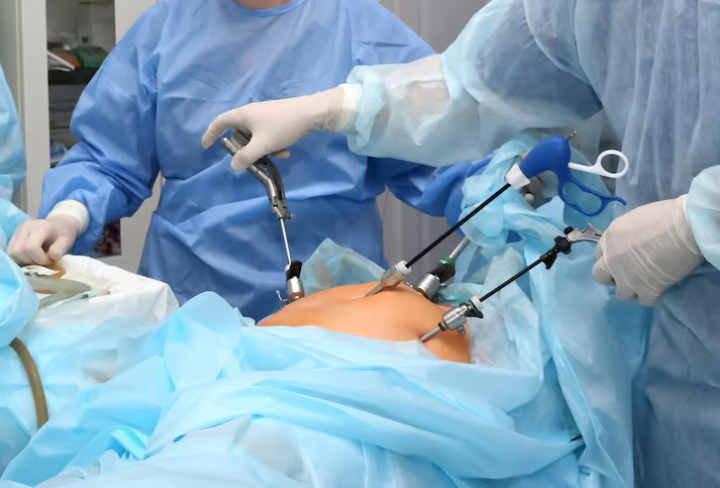
Laparoscopic cholecystectomy is a minimally invasive gallbladder surgery. Doctors use it to remove the gallbladder, often due to gallstones. Instead of a large cut, surgeons make a few small cuts in the belly. Through these, they use a camera and special tools to take out the gallbladder. Because this method is less invasive, many people recover faster. According to the CDC, this surgery is common and safe for most patients.
Indications: Who Needs This Surgery?
Not everyone needs their gallbladder removed. However, some people do benefit from this surgery. Usually, doctors suggest laparoscopic cholecystectomy for:
Sometimes, people have no symptoms. Even so, doctors may still recommend surgery if there is a risk of future problems.
How the Procedure Works
First, you will receive anesthesia, so you sleep during the surgery. Next, the surgeon makes 3 to 4 small cuts in your belly. Through one cut, a thin tube with a camera (laparoscope) is inserted. Then, special tools go in through the other cuts. The surgeon watches a screen and carefully removes the gallbladder. After that, the cuts are closed with stitches or glue. Most people go home the same day or the next day. This is why many call it minimally invasive gallbladder surgery.
Benefits of Laparoscopic Cholecystectomy
There are many reasons why doctors and patients prefer this method. Some key benefits include:
Because of these benefits, laparoscopic cholecystectomy is now the standard for gallstones removal.
Risks and Possible Complications
Although this surgery is safe, every operation has risks. It is important to know what could happen. Possible risks include:
However, serious problems are rare. Most people recover without major issues. If you notice fever, severe pain, or yellow skin after surgery, contact your doctor right away.
Recovery and Aftercare Tips
After laparoscopic cholecystectomy, most people feel better in a few days. Even so, following aftercare tips can help you heal faster:
Most people return to work and daily life within one to two weeks. However, everyone heals at their own pace.
Prevention and Lifestyle Guidance
While not all gallbladder problems can be prevented, healthy habits may lower your risk. For example, you can:
Because some people are more likely to get gallstones, talk to your doctor about your risk. Early action can help avoid future problems.
In summary, laparoscopic cholecystectomy is a safe and effective way to remove the gallbladder. If you have gallstones or related issues, this surgery may help you feel better quickly. Consult a qualified surgeon to discuss if laparoscopic cholecystectomy is right for you.