
What is Knee Replacement Surgery?
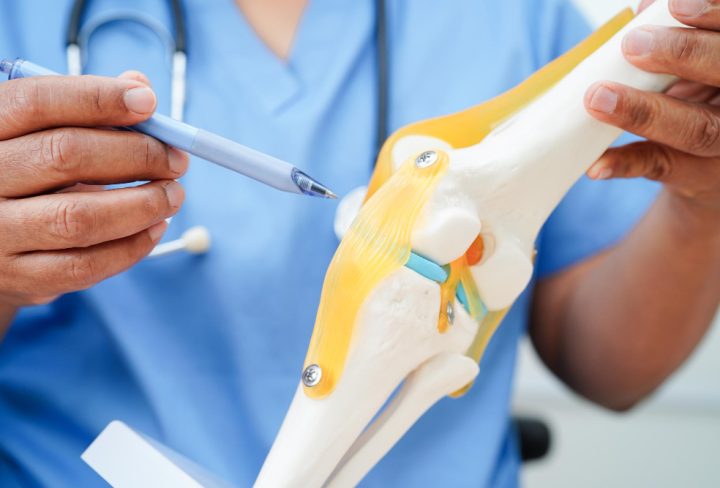
Knee replacement surgery helps people with severe knee pain. Often, this pain comes from arthritis or injury. During the surgery, doctors remove damaged parts of the knee. Then, they replace them with artificial parts. This can help you move better and feel less pain. There are two main types: partial knee replacement and total knee replacement. Understanding the differences can help you make the best choice for your health.
What is Partial Knee Replacement?
Partial knee replacement is also called unicompartmental knee replacement. In this surgery, only the damaged part of the knee is replaced. The rest of the knee stays the same. For example, if only one side of your knee is worn out, this option may work for you. Because less of the knee is changed, recovery is often faster. However, not everyone is a good candidate for this type of surgery.
What is Total Knee Replacement?
Total knee replacement is a more common surgery. In this procedure, doctors replace the entire knee joint. They remove all damaged cartilage and bone from the knee. Then, they put in artificial parts to form a new joint. This surgery is usually for people with severe knee damage in more than one area. Although recovery may take longer, many people get great results.
Key Differences Between Partial and Total Knee Replacement
As you can see, both surgeries have unique features. Your doctor will help you decide which is best.
Indications: Who Needs Which Surgery?
Not everyone needs the same type of knee surgery. For partial knee replacement, you may be a good candidate if:
On the other hand, total knee replacement is better if:
Therefore, your doctor will check your knee and health before recommending a surgery type. (Source: CDC, American Academy of Orthopaedic Surgeons)
Recovery and Rehabilitation
Recovery after knee replacement depends on the type of surgery. With partial knee replacement, you may walk with help the same day. Most people return to normal activities in 3 to 6 weeks. In contrast, total knee replacement recovery can take 6 to 12 weeks or longer. Physical therapy is important for both types. It helps you regain strength and movement. However, following your doctor’s advice is key for a smooth recovery.
Risks and Benefits
Every surgery has risks and benefits. For both partial and total knee replacement, risks include infection, blood clots, and stiffness. However, these problems are rare. Benefits include less pain, better movement, and improved quality of life. Partial knee replacement may have fewer risks and a faster recovery. But, it may not last as long as a total knee replacement for some people. Always talk to your doctor about what is best for you. (Source: WHO, CDC)
How to Choose the Right Option
Choosing between partial knee replacement vs total knee replacement is a big decision. First, your doctor will check your knee and overall health. They may use X-rays or scans to see the damage. Next, they will discuss your daily needs and goals. For example, if you want a quicker recovery and only part of your knee is damaged, partial knee replacement may be better. On the other hand, if your whole knee is affected, total knee replacement is likely the best choice. Always ask questions and share your concerns with your doctor.
Prevention and Lifestyle Tips After Surgery
After knee surgery, taking care of your new joint is important. Here are some tips to help you stay healthy:
With good care, your knee replacement can last many years. In addition, you can enjoy a more active life.
Conclusion
In summary, understanding the key differences between partial and total knee replacement can help you make the right choice. Both surgeries can reduce pain and improve movement. However, the best option depends on your knee’s condition and your health. Consult a specialist for personalized guidance on knee replacement options.